E0.5, E1 and E2 Formaldehyde in Plywood: What European Importers Must Know
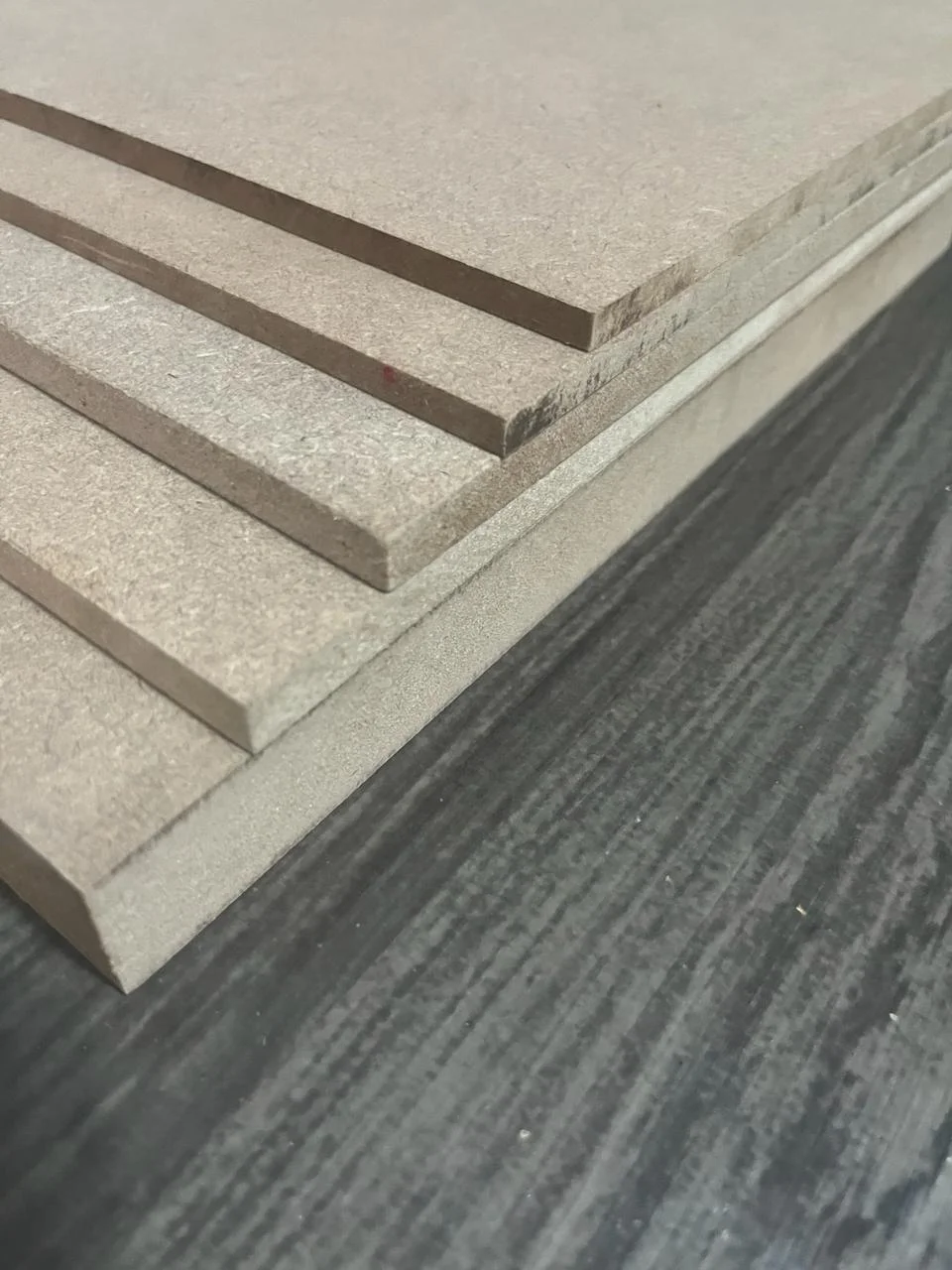
Formaldehyde emission class is a mandatory specification for plywood and MDF sold into most European markets — and increasingly into other regulated markets worldwide. Getting it wrong means product rejection at customs, retailer returns, or regulatory fines.
This article explains the difference between E0.5, E1 and E2, what test methods apply, and what to request when ordering Brazilian pine plywood or MDF.
The emission classes
| Class | Limit (EN 717-1 chamber method) | Typical application |
|---|---|---|
| E0.5 | ≤0.5 mg/m³ air | Premium EU interior, Scandinavian markets |
| E1 | ≤1.5 mg/m³ air | Standard EU interior — most common |
| E2 | ≤5.0 mg/m³ air | Industrial/outdoor only — not for interior use |
The old E0 class (≤0.12 mg/L perforator method) has largely been replaced by E0.5 under the revised EN ISO 12460 test standards. When suppliers refer to "E0," they typically mean ≤0.5 mg/m³ air under the new method.
Test methods: chamber vs perforator
You will encounter two test methods in documentation:
EN 717-1 (gas analysis / chamber method) — The current EU standard. Results in mg/m³ of air. Used for CE marking and most European trade.
EN 120 (perforator method) — Older method giving results in mg/100g dry board. Still used in some markets and by some suppliers. Not directly comparable to chamber results.
When reviewing certificates, confirm which method was used. A result of "0.5 mg/100g" (perforator) is not the same as "0.5 mg/m³" (chamber).
Which class does your market require?
| Market | Required class | Notes |
|---|---|---|
| EU (general interior) | E1 | Mandatory under EN 13986 for CE marking |
| Germany (BlueAngel) | E0.5 | Stricter voluntary scheme for "premium" products |
| Scandinavia | E0.5 | Retailer policies often demand this |
| UK (post-Brexit) | E1 | Retained EU standards |
| USA | CARB P2 | Separate standard — see CARB P2 article |
| Australia | E1 equivalent | AS/NZS 4266 |
| Middle East | E1 or none | Varies by country and end use |
What Export Brazil Pine supplies
Pine plywood (all appearance grades — A/B, B/B, B/C, A/C): E1 as standard. E0.5 available on request for specific orders (may affect lead time and price).
MDF panels:
- Standard MDF: E0 / E1 / E2 available — confirm at order
- Moisture Resistant (MR) MDF: E1 as standard, CARB P2 available
- Fire Retardant MDF: E1 as standard
Certificates provided: Third-party lab test reports (SGS, Bureau Veritas, or Intertek) confirming the emission class are included with every order. CE Declaration of Performance (DoP) available for EU-destined product on request.
How to specify correctly
When placing an order, state:
- The emission class required: E0.5 or E1
- The test method: EN 717-1 (chamber) preferred
- The certifier: SGS, BV, or Intertek acceptable
- Whether CE marking documentation is needed
Related reading
WBP vs MR Plywood · CARB P2 Pine Plywood for US Importers · EUDR-Compliant Plywood from Brazil · Pine Plywood · MDF Panels
EUDR-ready timber from Brazil?
All shipments come with full geolocation documentation.
Glossary terms in this article
The strictest formaldehyde emission standard for composite wood products sold in the USA. Required for product…
EU Regulation 2023/1115 requires importers to prove that wood products entering the EU were not produced on la…
A glue-bond durability classification for plywood. WBP adhesive (typically phenol-formaldehyde, PF) maintains …
Plywood or MDF bonded with melamine-urea-formaldehyde (MUF) adhesive. Resists short-term moisture exposure (Cl…
European classes for formaldehyde off-gassing from wood panels. E1 (≤0.124 mg/m³) is the EU legal limit for pr…
Stay informed
New guides, specs & market updates
Join 400+ timber importers who get our monthly brief — no spam, unsubscribe anytime.
Contents
Get a quote
Ready to source Brazilian timber? We'll send you specs, pricing, and photos within 24 hours.
Request a quoteRelated resources